

Energy Transition: The Corporate Affairs Battleground
The global energy transition has moved decisively from a climate narrative into a corporate affairs battleground shaped by security, affordability, and political risk. For communications leaders, the question is no longer how to signal ambition, but how to maintain credibility in an environment defined by competing pressures and hard data.
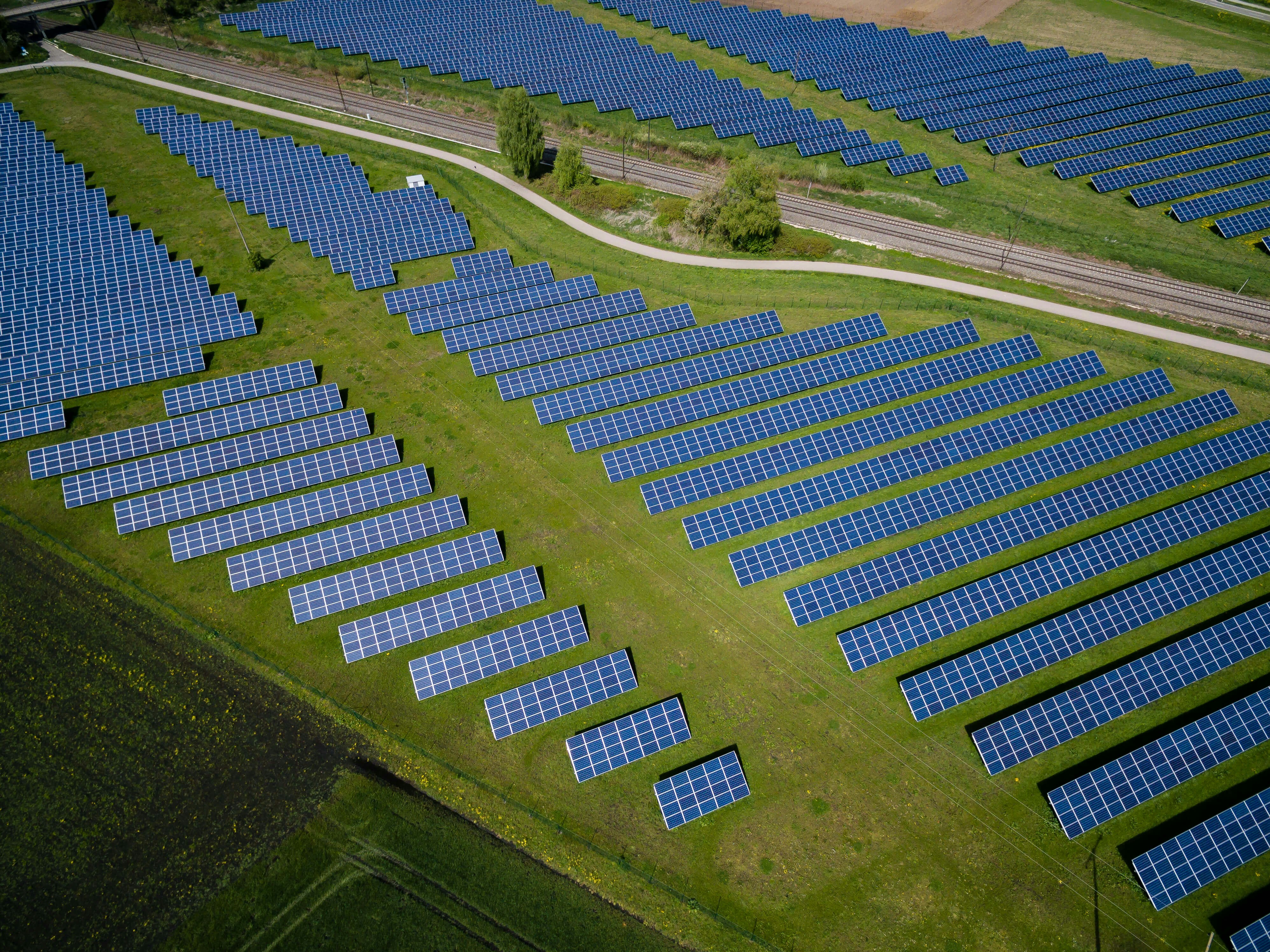
The scale of change is significant. According to the International Energy Agency, renewables accounted for the majority of global power capacity additions in 2025, with solar alone delivering over 50 percent of new installations. At the same time, global electricity demand rose by more than 4 percent, driven by electrification, data centres, and industrial growth. This creates a structural communications challenge. Companies must demonstrate they can meet rising demand while transitioning away from carbon-intensive assets, without exposing themselves to accusations of under investment or greenwashing.
Energy security has become the dominant political lens. Since the 2022 shock to European gas markets, governments have prioritised resilience over ideology. In the UK, imported gas still accounts for around 40 percent of supply, leaving the economy exposed to global price volatility. While renewables generated over half of UK electricity in 2024, the system remains dependent on gas for balancing and peak demand. This duality requires careful messaging. Corporate affairs teams must articulate how investment in renewables strengthens national resilience, while acknowledging the ongoing role of hydrocarbons in maintaining system stability.
The political environment is increasingly complex. The UK’s net zero commitments are legally binding, yet policy signals remain mixed. Continued debate over North Sea licensing sits alongside ambitious offshore wind targets of 50 GW by 2030. For companies, this creates reputational risk on both sides. Align too closely with fossil fuel expansion and face investor scrutiny. Move too aggressively into renewables without clear returns and risk shareholder backlash. Communications strategies must therefore be grounded in capital allocation data, not just ambition statements.
Geopolitics adds another layer of complexity. The transition is reducing dependence on Russian hydrocarbons but increasing reliance on concentrated supply chains for critical minerals and clean technologies. China currently dominates global solar panel manufacturing, accounting for more than 80 percent of production capacity. Lithium, cobalt, and rare earth supply chains are similarly concentrated. For corporate affairs professionals, this shifts the narrative from energy independence to supply chain resilience. Stakeholder engagement must now address how companies are mitigating these new dependencies through diversification and strategic partnerships.
Infrastructure constraints are emerging as a central issue. Grid capacity, planning delays, and storage limitations are slowing deployment across multiple markets. In the UK, grid connection queues can extend up to 10 years for large-scale renewable projects. This is not a technology problem, but a governance and regulatory challenge. Corporate communications must increasingly engage with policy detail, advocating for planning reform and grid investment while demonstrating an understanding of system-wide constraints.
Leading energy companies are adapting their positioning accordingly. Ørsted and Iberdrola are framing themselves as integrated infrastructure developers rather than pure-play renewable operators. Next Era Energy continues to emphasise scale and execution, highlighting its pipeline of wind, solar, and storage assets. Meanwhile, BP and Shell are navigating a more complex transition narrative, balancing continued oil and gas investment with selective expansion into low-carbon technologies. The gap between strategy and spend remains a focal point for investors and campaign groups alike.
Affordability remains the most politically sensitive issue. Wholesale energy prices have stabilised since their 2022 peaks, but retail costs remain elevated in many markets. In the UK, household energy bills are still significantly higher than pre-crisis levels. This creates a direct link between corporate messaging and public sentiment. Companies must demonstrate how their investments contribute to long-term price stability, not just emissions reduction.
For corporate affairs teams, the implication is clear. Messaging must evolve from broad commitments to evidence-based narratives that integrate policy, economics, and geopolitics. Data points such as capacity additions, investment levels, and supply chain exposure are no longer supporting details. They are central to credibility.
The energy transition is now a test of corporate legitimacy. Organisations that can align their communications with measurable outcomes, while navigating political and economic trade-offs, will be better positioned to maintain trust. In a landscape defined by volatility and scrutiny, explanation has become as important as ambition.